
INTERACT Announces Results of Pilot Access Call for Early-Career Researchers
We are pleased to announce the successful completion of the scientific and logistic evaluation for INTERACT’s pilot Access Call dedicated to Early-Career Researchers (ECRs). Out of 26 eligible proposals, 8 were recommended for funding, with 2 research projects granted access for the 2026 field season.
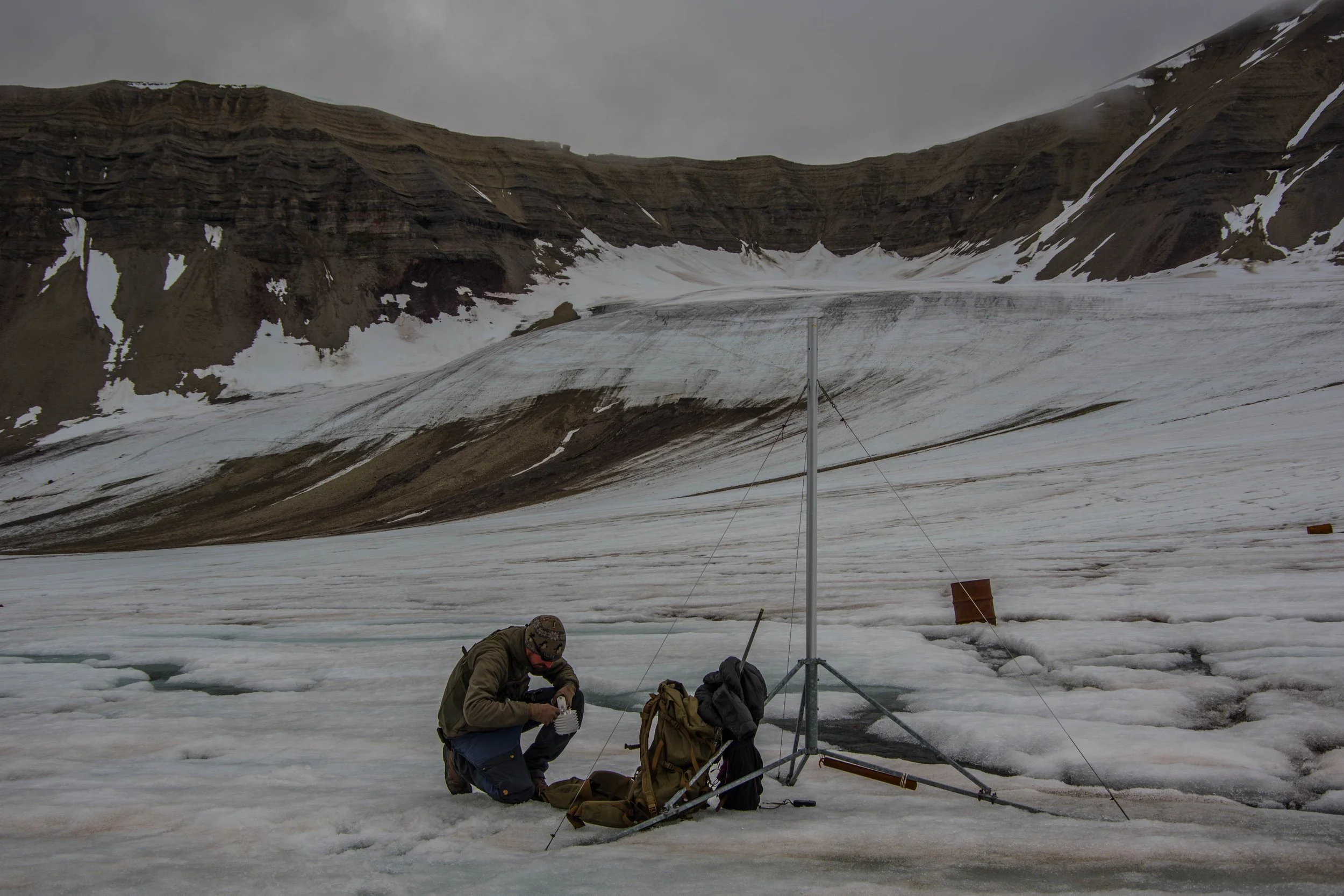
Photo Credits: Martin Lulak.
The pilot INTERACT Access Call for Early-Career Researchers is one of INTERACT’s key efforts to provide free access to world-class research stations. This new Access Programme (coordinated entirely by the INTERACT Non-Profit Association) was launched to support early-career scientists, who often need field experience the most but face the greatest challenges in accessing research infrastructures. The initiative builds on feedback collected during the INTERACT TA Programme (EU-funded, 2011–2024). INTERACT aims to expand its access funding pool in the coming years as the financial structure is tested and the long-term funding strategy continues to develop.
The funded projects will take place at Alpine and Arctic research stations.
The Alpine project, “SPRINGtails: Threatened Alpine Life’s Ecological Study”, will be conducted at the High Altitude Research Jungfraujoch Station and Sonnblick Observatory. The project focuses on glacier fleas, key indicators of glacier health, to improve understanding of biodiversity on glaciers. By collaborating across European mountain regions and sharing data openly, it supports global efforts to monitor and conserve glacier ecosystems in response to climate change.
The Arctic project, “Thermal Influence on Light Stress Acclimation and Night-time Adjustment in Bryophytes”, will be carried out at Kilpisjärvi Biological Research Station. It investigates how mosses use a natural protection mechanism against excess sunlight to survive cold and dry conditions, helping them maintain their carbon balance. It studies on how temperature and light affect this process and aims to understand how mosses might respond to climate change in the Arctic ecosystem.
We congratulate all applicants for their strong proposals. Six recommended but unfunded applicants have been offered recommendation letters to support their applications in other open access calls, such as the POLARIN 2nd TA call.
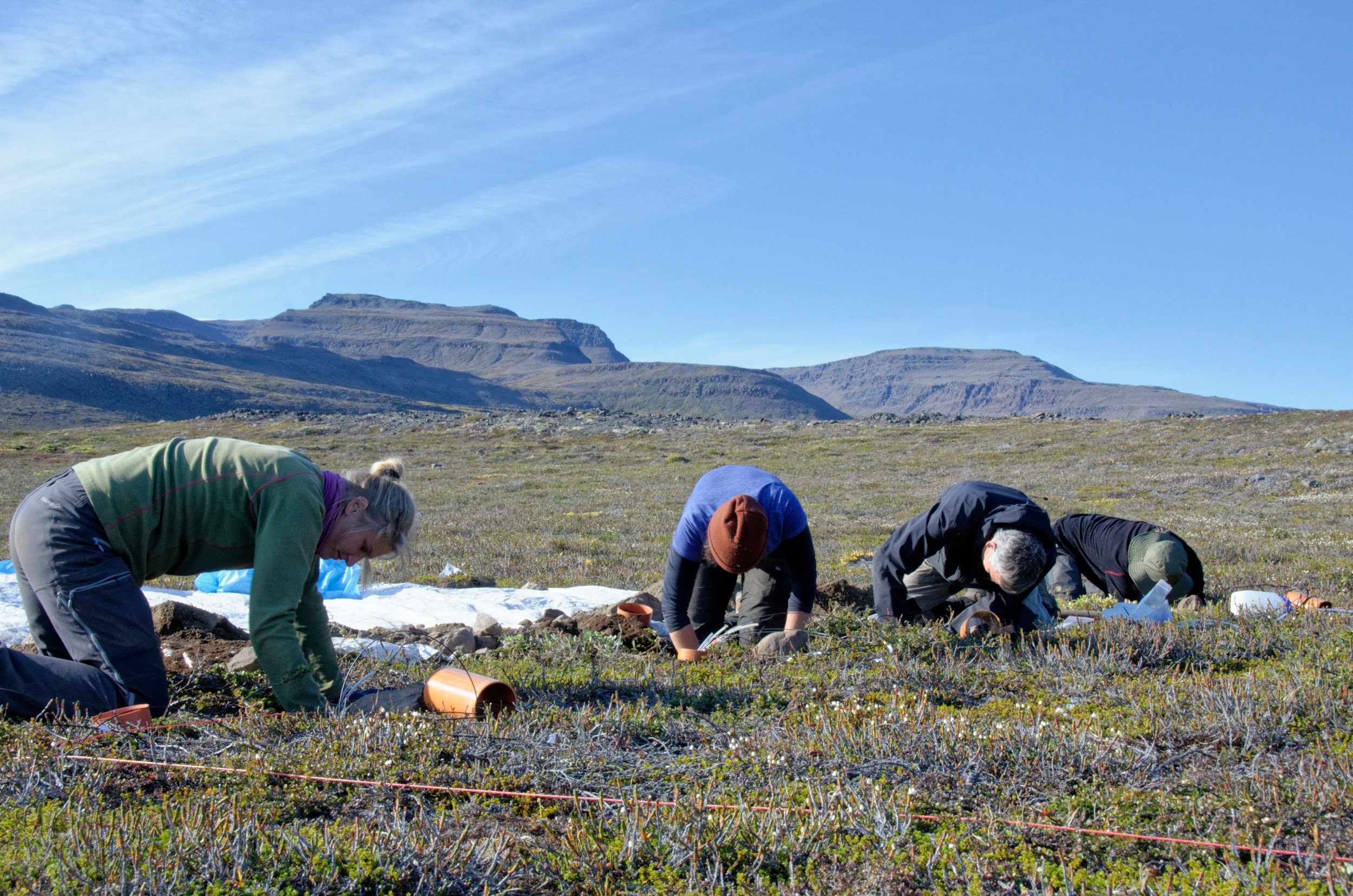
Photo Credits: Martin Nielsen.
INTERACT remains committed to advancing scientific research by providing free access to world-class infrastructures. Through dedicated calls like this one, we aim to empower the next generation of scientists with opportunities to conduct vital fieldwork in Arctic and Alpine regions, areas that are otherwise logistically difficult and very costly to access. INTERACT continues to work hard to secure funding and support for impactful research in these sentitive and precious environments.
For more information about the INTERACT Access Program, please visit our dedicated webpage here.