
INTERACT GIS connects scientists with our stations, reaching over 5,000 visits last year
Developed by the INTERACT network, the GIS platform provides a comprehensive source of information about research stations, their facilities, scientific activities and surrounding environments. It acts as a one-stop shop for researchers looking for stations that match their specific scientific needs.
The platform includes detailed information on research stations within the INTERACT network, covering diverse environments from Arctic tundra and boreal forests to alpine landscapes. Researchers can explore stations through an interactive map and use search and filtering tools to identify locations based on factors such as climate, landscape characteristics, ecosystems, available facilities and research opportunities.
The platform is also expanding its role beyond the INTERACT network. The GIS information is currently used by the Swedish observing network and has been incorporated into the EU-funded POLARIN project, which provides access to polar research infrastructure and services. POLARIN GIS builds on the INTERACT GIS approach, helping scientists explore polar research stations and identify infrastructure suitable for their needs.
To maximise the visibility and accessibility of research infrastructure, INTERACT GIS information is harvested by international infrastructure repositories. This ensures that station information reaches wider scientific communities while supporting the availability of updated and reliable infrastructure data.
The growing interest in the platform demonstrates its value as a key resource for northern research. During the past year, INTERACT GIS received more than 5,000 visits from users seeking information about research stations and opportunities for scientific collaboration.
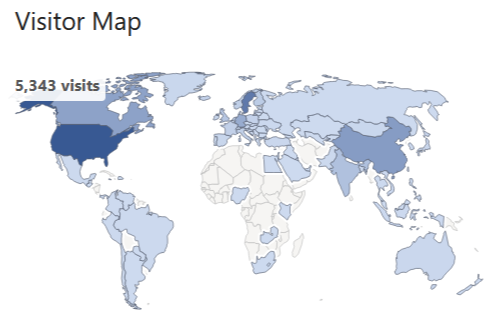
Visitor numbers and locations to the INTERACT GIS in 2025
